Soft washing is a controlled chemistry decision
Soft washing generally uses a compatible solution, controlled dwell time, and a lower-pressure rinse for suitable biological or environmental soil. It may help with algae-like growth, mildew-like staining, pollen, bird residue, and some loose traffic film on evaluated brick, concrete, painted surfaces, stucco, EIFS, or other compatible materials. Lower pressure reduces some impact, but it does not remove the need to control chemistry, wind, dwell, temperature, glazing, plants, metals, openings, and runoff. A test area is especially useful when the coating history is unknown or the owner expects an even finish across repaired sections.
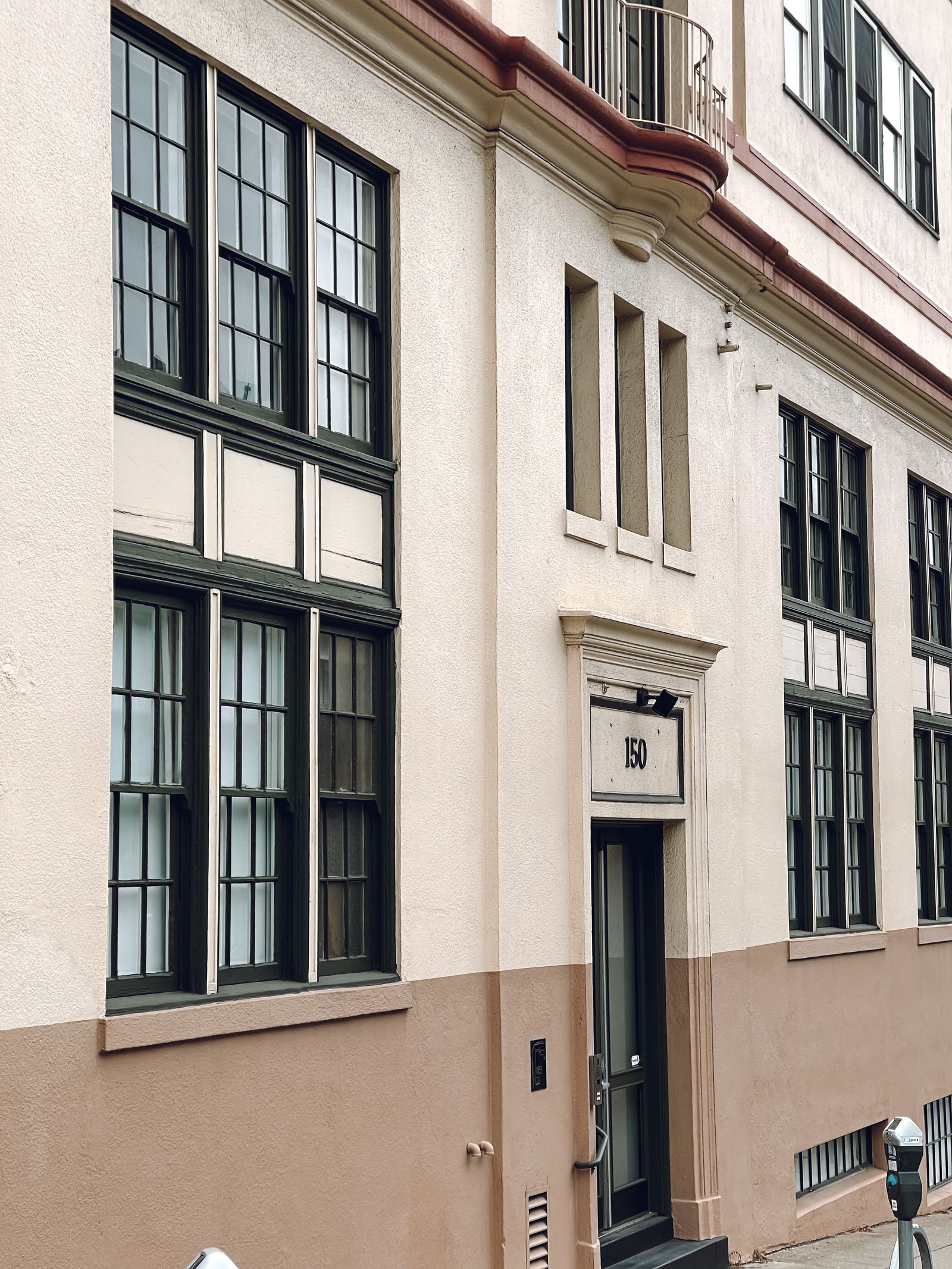
A dark wall in Westerville may be dirty, but it may also be affected by salt, oxidation, mineral scale, rust, failed paint, soot, or a roof-edge drainage issue. These conditions do not respond the same way. A quote should say what the crew believes it is addressing, how the result will be checked after drying, and which conditions are excluded. More product or longer dwell is not a substitute for identifying the source of the mark.
- Match chemistry, dwell, and rinse to the tested material and likely soil.
- Review glazing, plants, metals, coatings, openings, air intakes, and runoff together.
- Use a representative test area when finish change or stain source is uncertain.
- Separate cleaning from restoration, repair, leak diagnosis, and coating replacement.
Pressure washing has a narrower commercial role
Pressure washing can be useful on selected sound concrete, pavement, curbs, loading aprons, and other durable surfaces when the operator controls pressure at the surface, flow, nozzle, distance, angle, and water path. A machine setting alone does not predict safety or appearance. A concrete apron beside a warehouse may tolerate a controlled process while the adjacent painted wall, sealant joint, storefront, or EIFS band does not. The scope should identify those zones rather than treating the property as one hard surface.
Unnecessary force can etch concrete, remove paint, erode mortar, disturb sealants, expose aggregate, mark EIFS, and push water behind panels or openings. It may also spread loosened soil into landscaping or a storm inlet. Pressure may not solve mineral deposits, oxidation, winter residue, embedded exhaust, failed coatings, or an active moisture problem. When a deposit does not respond, the next question should be whether the material needs contact work, specialty restoration, repair, or referral, not simply a stronger pass.
Build a Westerville method map by corridor and use
Uptown and State Street properties may prioritize storefront glass, masonry details, sidewalks, outdoor seating, public parking, and tenant doors. Polaris and Westar properties may have larger footprints, hotel or office arrivals, shared parking, signs, loading lanes, and customer circulation. A medical office near Cleveland Avenue or Maxtown Road needs patient drop-off, accessible routes, security, and air-intake awareness. Industrial and warehouse properties along County Line Road or the broader 161 corridor may prioritize docks, trailers, gates, forklift paths, and concrete service areas. The method should follow the building's use as well as its material.
One property may need several methods. Soft washing may suit organic staining on a compatible upper wall; controlled pressure may suit a sound loading apron; a water-fed pole may fit selected glass; and hand work may be needed around signs, doors, awnings, or mineral deposits. Drone assistance may support a broad upper zone where the site permits it, but it does not replace touch, close inspection, or repairs. A zone map keeps an aggressive process from being applied to every surface and makes the quote easier for an owner to approve.
The requested business result should guide the comparison. A retailer may need the sign band and entrance ready before opening. A healthcare operator may value clean patient paths and predictable phasing over a one-day promise. A warehouse may care most about dock safety, truck movement, and selected facade improvement. Ask the bidder to explain how each method serves that result and what will remain outside scope.
Let pollen, storms, freeze-thaw, and salt shape the choice
Westerville's seasonal conditions can change both the soil and the safe work window. Spring pollen settles on signs, windows, and horizontal ledges. Summer humidity and shade can support organic growth, while thunderstorms can redirect water and change wind quickly. Autumn leaves can block roof drainage and leave tannin-like marks. Winter brine and salt gather around entrances, ramps, curbs, parking aisles, and lower walls. Freeze-thaw movement can expose weak joints or make wet pavement unsafe. A recurring stain may be a downspout, irrigation, grading, or roof-edge problem rather than a method problem.
Both soft washing and pressure washing need weather controls. Rain can dilute chemistry or carry rinse water beyond the planned zone. Wind changes overspray, hose control, plant protection, and drone feasibility. Cold temperatures slow drying and can create slip or icing concerns. The scope should state pause conditions for lightning, gusts, rain, freezing risk, visibility, and changed drainage. A method that cannot be controlled on the scheduled day is not a good method for that day, even if the equipment is already on site.
Compare access, public protection, and aerial limits
Access determines whether a method is practical. Uptown may provide little separation between the facade and public movement. Polaris sites can have constant customer and vehicle circulation. Medical, hospitality, and office properties need protected doors, drop-offs, and employee routes. Warehouse sites need docks, trailers, forklifts, gates, and security considered. The comparison should include staging, barriers, spotters, hose routing, water supply, equipment movement, and the person authorized to stop work, not just the price of a pressure washer or drone.
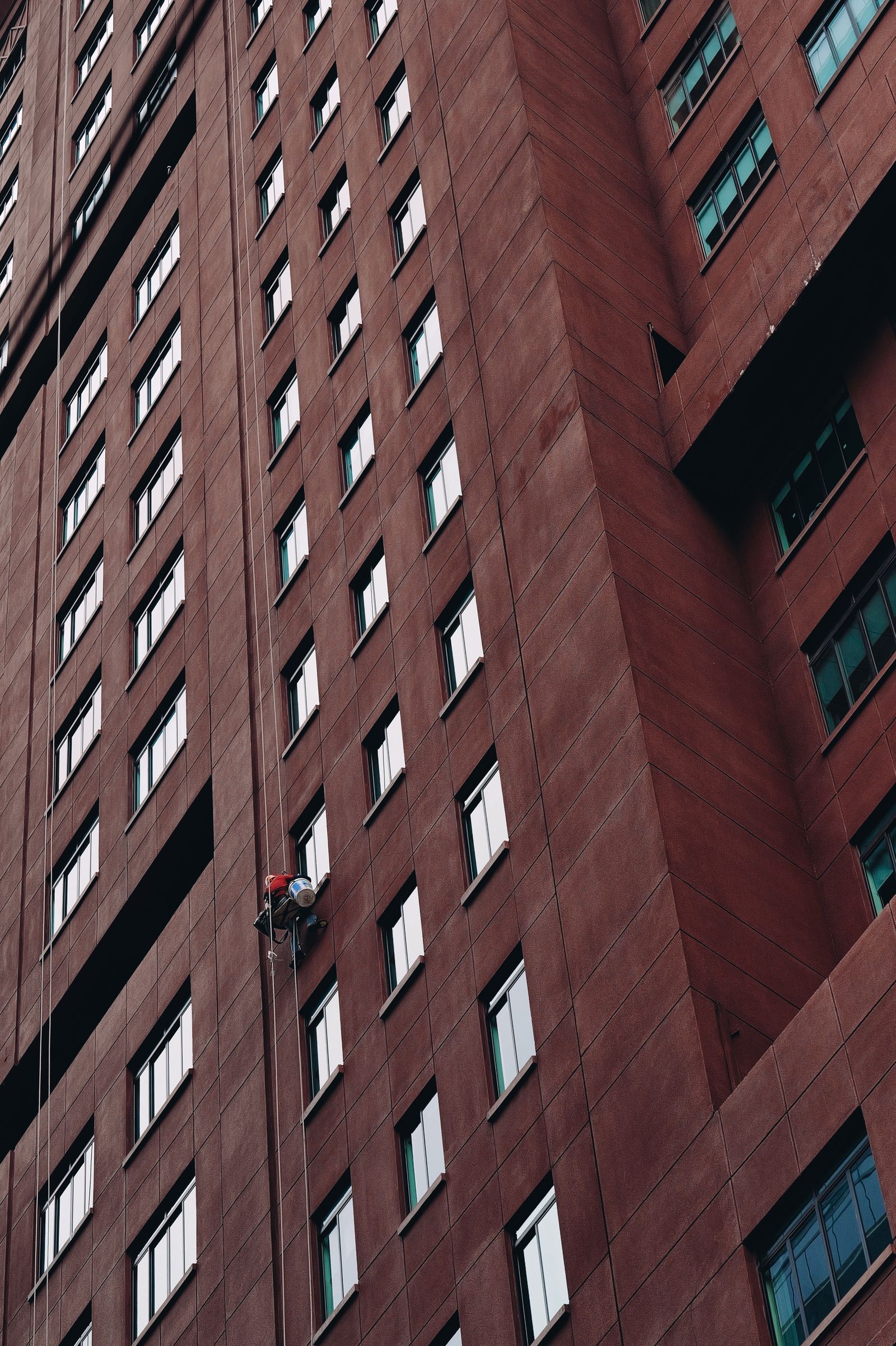
Drone-assisted cleaning may fit a broad upper area when there is stand-off distance, a suitable launch area, visual control, manageable weather, public separation, and applicable FAA compliance. Trees, wires, signs, rooftops, adjacent buildings, busy roads, and moving vehicles can eliminate that option on one elevation while leaving another feasible. A drone cannot squeegee glass, scrub a bonded deposit, feel a weak surface, repair a joint, or diagnose hidden moisture. The proposal should identify where direct access remains necessary and what backup method applies if aerial conditions are not present.
Treat runoff as part of the soft-wash and pressure-wash comparison
The amount and character of water moving through a site matters in either method. Pressure can carry more soil and water quickly; soft washing can move treatment solution and loosened biological material. Before work begins, review drains, inlets, slopes, roof outlets, landscaped beds, low points, and neighboring properties. Westerville's stormwater program and Ohio environmental requirements make pollutant prevention relevant to the planning conversation, but a general source does not authorize every discharge at a private commercial site.
Ask the quote to identify its assumptions and intended controls. Depending on the property and activity, the plan may involve diversion, inlet protection, reduced rinse volume, collection, recovery, filtration, disposal, or coordination with the responsible authority. It should also address plants, decorative finishes, doors, electrical equipment, air intakes, and public routes. If water moves differently than expected, the team should have a clear pause-and-reassess response rather than improvising toward the nearest drain.
Ask for a comparable Westerville quote
A useful comparison names the included elevations, facade materials, visible soil, recommended method by zone, test-area plan, chemistry and pressure controls, protection, water access, runoff assumptions, weather limits, access equipment, phasing, documentation, and exclusions. It should explain whether high-detail glass, mineral removal, oxidation, construction residue, graffiti, coating work, masonry repair, or envelope review is included or referred. A generic promise to soft wash or power wash the building does not answer the questions that protect an occupied property.
Send the Westerville address, photographs from each elevation, approximate height, priority areas, desired result, known materials, nearby drains, water access, operating restrictions, delivery or patient windows, and preferred dates. To request a quote or get in touch, call +1 239-351-2897 or email contact@dronebuildingcleaners.com. Drone Building Cleaners can help compare soft washing, controlled pressure, aerial support, contact detail, or a hybrid plan around the finish the property actually needs.