Begin with the Westerville facade and the result you need
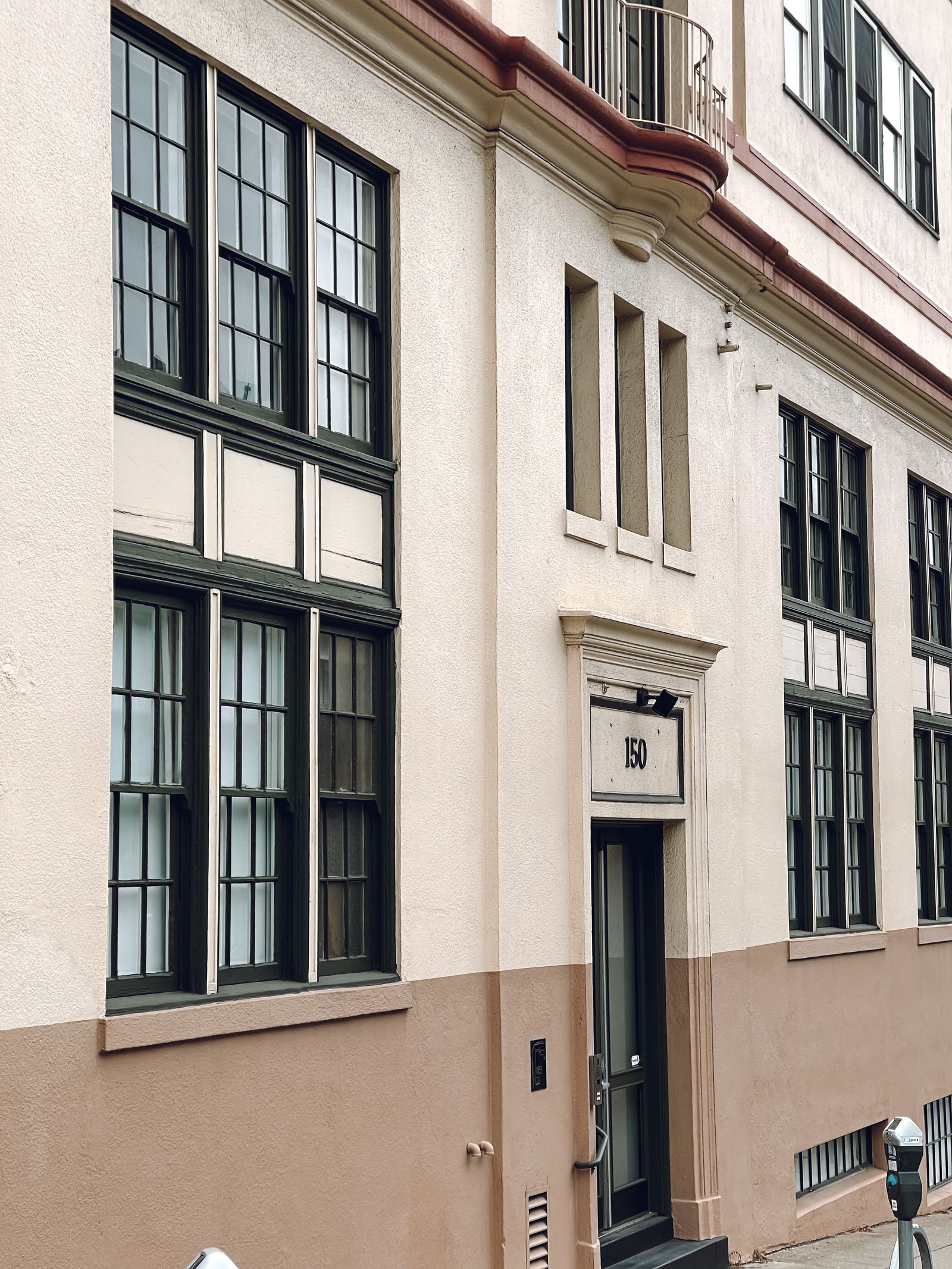
Commercial properties in Westerville often combine brick veneer, older masonry, concrete, precast, EIFS, painted trim, metal panels, storefront glass, awnings, and patched repairs. Uptown buildings may place historic or traditional materials directly beside busy sidewalks and tenant doors. Polaris-area offices, hotels, and retail centers can have large elevations, canopies, signs, parking fields, and landscaped islands. A low-rise medical or professional building near Maxtown Road may be easier to reach but still have sensitive glazing, air intakes, patient routes, and limited interruption windows. One address does not mean one chemistry, pressure, dwell time, or rinse plan.
Soft washing may improve compatible organic growth, pollen, bird residue, light atmospheric soil, and some general exterior film when the material and condition support the method. It does not repair open joints, cracked masonry, failed coatings, corrosion, active leaks, or damaged EIFS. A dark mark can be biological growth, road film, oxidation, mineral residue, salt, or a shadow created by a drainage problem. A representative test area and dry-down review can make the expected result more honest. The proposal should distinguish a maintenance wash from hard-water removal, restoration, painting, masonry work, or an investigation of why one area keeps staining.
- Separate brick, concrete, EIFS, glass, metal, painted areas, and repaired sections.
- Identify likely organic, traffic, salt, mineral, oxidation, or moisture-related staining.
- Define whether the goal is a maintenance reset, presentation finish, or priority-area improvement.
- Keep repairs, leak diagnosis, coating replacement, and restoration outside a routine wash scope.
Fit the work to Uptown, Polaris, and Westerville access patterns
Uptown Westerville and State Street can put a cleaning zone beside pedestrians, outdoor dining, deliveries, storefront doors, public parking, and neighborhood events. A successful plan may use short sections, a spotter, a protected accessible route, and a sequence that keeps a tenant entrance available. Around Polaris Parkway, Africa Road, Worthington Road, and the Westar area, the building may have more room to stage equipment but also more customer circulation, hotel arrivals, employee peaks, service roads, and large shared parking areas. Schrock Road and Cleveland Avenue properties can combine commuter traffic, retail activity, mature trees, and multiple adjacent businesses.
These locations are planning prompts rather than substitutes for a site review. The property contact should identify doors, accessible paths, loading areas, parking movement, outdoor seating, security gates, air intakes, emergency access, and periods that cannot be interrupted. A clinic may need patient drop-off protected; a hotel may need arrivals and events considered; a warehouse may need dock and trailer movement coordinated. Cleaning one elevation at a time often lets the property remain operational while the defined work zone moves. The quote should show how people and vehicles will be kept away from spray, hoses, wet pavement, and overhead activity.
Account for Ohio weather, shade, and seasonal residue
Westerville's exposure changes across a building. Shaded walls near mature trees can stay damp longer and support organic staining, while sunlit elevations can dry a treatment quickly. Spring pollen may leave a yellow film on signs and glass. Summer humidity and thunderstorms can alter dwell time, overspray, and runoff. Autumn leaves can collect at roof edges and drains. Winter salt and brine can accumulate at entrances, curbs, ramps, and parking-facing masonry. A repeated mark beneath a parapet or downspout may indicate a water path rather than a need for stronger washing.
The work window should include checks for wind, lightning, rain, surface temperature, freezing risk, visibility, and walking conditions. Cold water on a ramp or sidewalk can create a slip or icing concern; wind can move mist into a neighboring tenant area or landscaping; heavy rain can overwhelm a planned recovery area. The responsible sequence is to establish pause conditions before setup, secure the work zone when conditions change, and resume only when application and rinse flow can still be controlled. A calendar date is useful for scheduling, but the forecast and the building's actual condition decide whether that date works.
Use drone assistance only where the site supports it
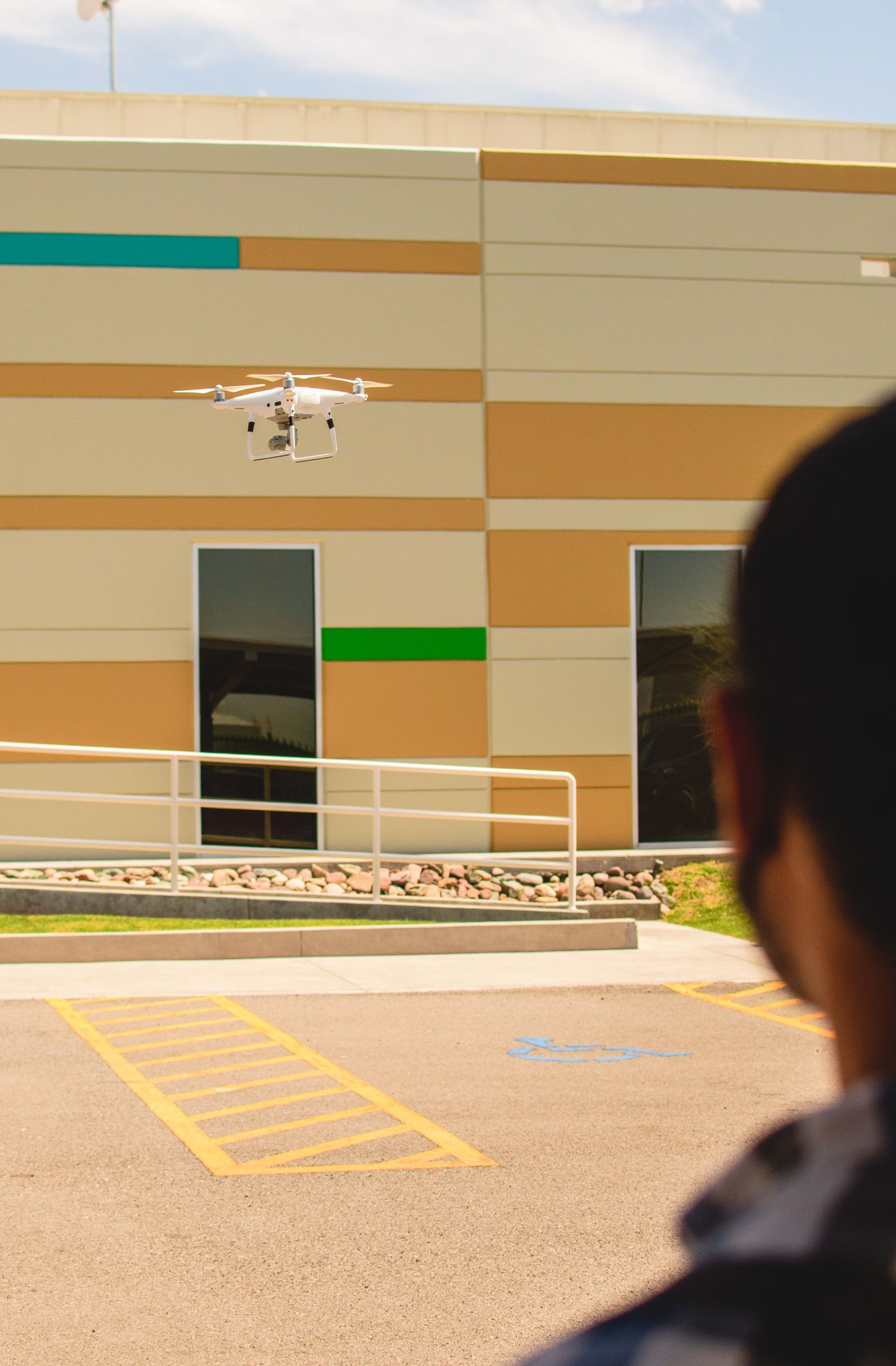
Drone-assisted application or rinsing may help selected broad upper elevations when there is adequate stand-off distance, a suitable launch and recovery area, clear visual control, manageable wind, workable hose routing, and a ground team able to protect the public. It can reduce some lift repositioning for compatible maintenance work on a tall wall or upper ledge. The aircraft is an access and delivery tool, not a guarantee of uniform restoration. The surface, stain, chemistry, dwell time, rinse, and finish standard still control the result.
Westerville sites can have trees, utility lines, signs, rooftop equipment, balconies, adjacent buildings, parking movement, and people close to the facade. The Polaris corridor can also bring busy roads and large shared properties, while Uptown can provide very little separation from public space. Commercial drone operations must follow applicable FAA requirements and any necessary airspace authorization. Owner permission addresses the property relationship; it does not replace aviation rules. If a zone cannot be separated from people, vehicles, or neighboring property, a lift, water-fed pole, ground crew, hybrid method, or rescheduled window may be better.
A clear proposal identifies where aerial support is expected and where direct access remains necessary. Entrance glass, frames, awnings, recessed details, bonded mineral deposits, signage, and repairs may require hand work or another specialty method. Combining aerial support on a broad upper wall with ground-based detail at the entry can reduce disruption while preserving the finish that customers and tenants actually see.
Plan water, landscaping, and runoff before the rinse
Before work begins, trace the likely movement of water from every planned elevation. Note roof downspouts, slopes, curb inlets, area drains, parking low points, landscaped beds, bioswales, doors, and neighboring parcels. A visible inlet is not automatic permission to send treated wash water into it. The products used, soil removed, rinse volume, property drainage, and applicable direction all matter. The City of Westerville's stormwater program emphasizes reducing pollutant discharges, so the job plan should address source control instead of leaving runoff as an afterthought.
Depending on the site, controls may include protecting or isolating inlets, diverting flow, reducing rinse volume, collecting liquid, filtering solids, recovering water, arranging disposal, or coordinating with the responsible authority. Plants, decorative metals, painted trim, electrical devices, vents, and glazing may need pre-wetting, shielding, reduced exposure, or a deliberate final rinse. The proposal should state its assumptions and the response if observed flow differs from the initial review. At closeout, the property team should receive photographs of completed and deferred zones, remaining deposits, observed defects, and any recommendation for another trade.
- Locate drains, low points, roof outlets, landscaping, doors, intakes, and hose crossings.
- Confirm the water-management approach before chemistry or rinse water is applied.
- Protect plants, glazing, metals, signage, electrical components, and occupied routes as needed.
- Document what was cleaned, what remains, and what should be referred for repair or restoration.
Choose a Westerville reset or a recurring maintenance plan
A one-time service may be useful before a tenant tour, ownership visit, inspection, lease-up, hotel event, renovation handoff, or seasonal presentation reset. Prioritize the entrance, sign band, canopy, parking-facing elevations, and the areas that shape a customer's first impression. A phased first visit can improve high-visibility zones without forcing a property to schedule every elevation at once. That approach also gives the team a chance to learn how the materials, drainage, and operating schedule behave before expanding the scope.
Recurring care may help where shade, trees, pollen, irrigation, road film, winter residue, or brand standards create predictable resoiling. The cadence should come from actual observations, previous results, facade orientation, access, budget, and important dates, not an automatic quarterly or annual promise. A recurring plan can treat glass, canopies, lower walls, and broad upper elevations differently. It can also flag a downspout, failed joint, or coating problem that needs attention before another cleaning visit.
Send the address, wide and close photographs, approximate height, known materials, priority areas, preferred dates, water access, nearby drains, and tenant or customer restrictions. A strong quote will name the included zones, likely soil, intended finish, method, access, weather limits, runoff assumptions, exclusions, and closeout record. Call +1 239-351-2897 or email contact@dronebuildingcleaners.com to request a quote or get in touch about a Westerville commercial property.